


Bade Minimum-Security Prison Launches “Green Healing Power” Program—Nurturing the Physical and Mental Well-being of Elderly Inmates Through Nature's Power



- Publication Date :
- Last updated:2025-11-12
- View count:77
Diversified Treatment for Elderly Inmates
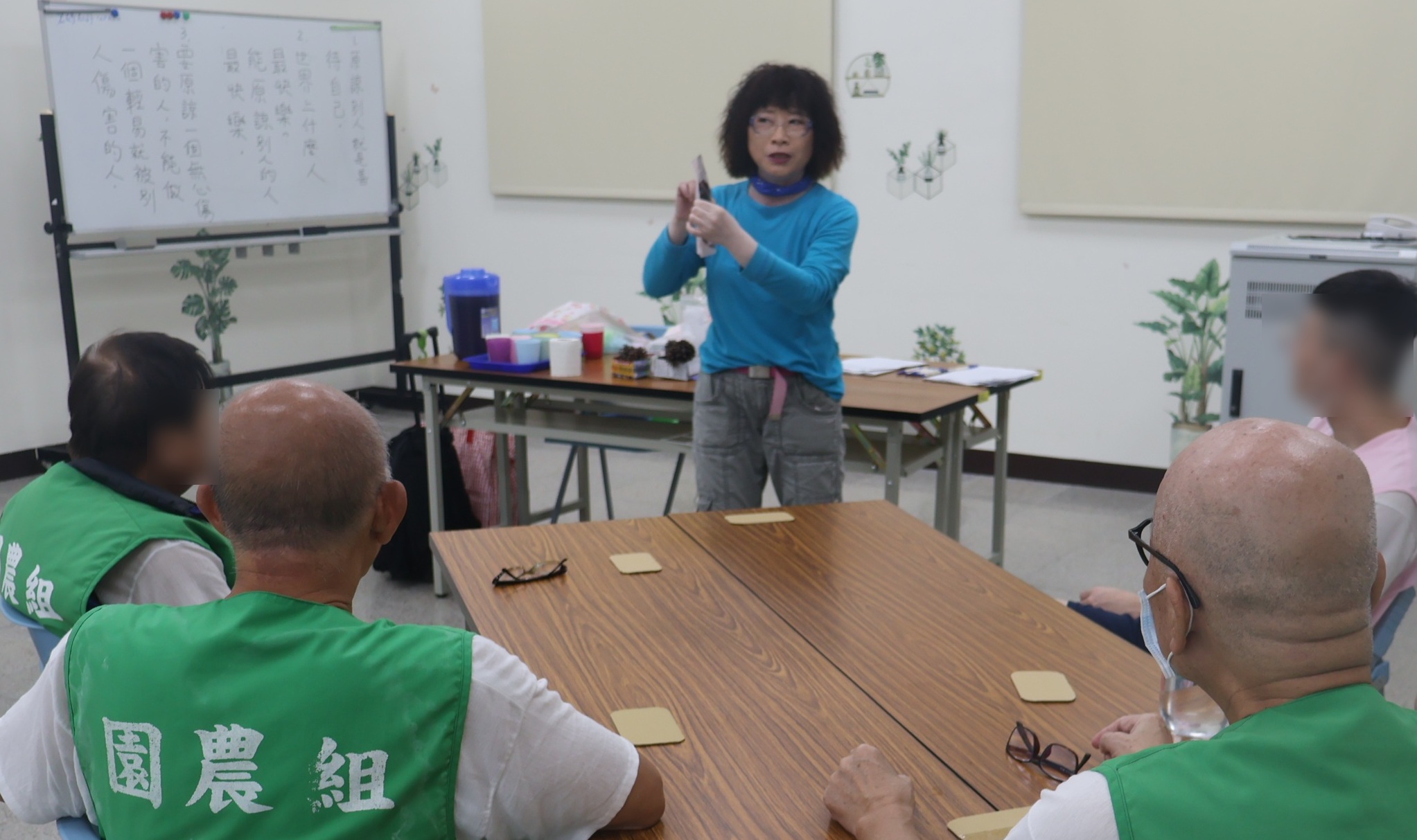
Taiwan is on the verge of becoming a super-aged society. According to statistics from the Household Registration Division of the Ministry of the Interior, by the end of 2025, the population aged 65 and above will exceed 20% of the total population. These demographic shifts will inevitably drive adjustments to social policies and systems. The correctional system also faces the challenge of an increasing number of elderly inmates. Recognizing this trend, Bade Minimum-Security Prison has focused on the physical and mental health of elderly inmates and their reintegration challenges. Since October 2025, the prison has partnered with professional instructors from the Taiwan Horticultural Therapy Association to launch the “Green Healing Power” program. Guided by horticultural therapy principles, the program encourages inmates to interact with nature and engage in creative activities to alleviate emotional distress and rebuild life purpose.
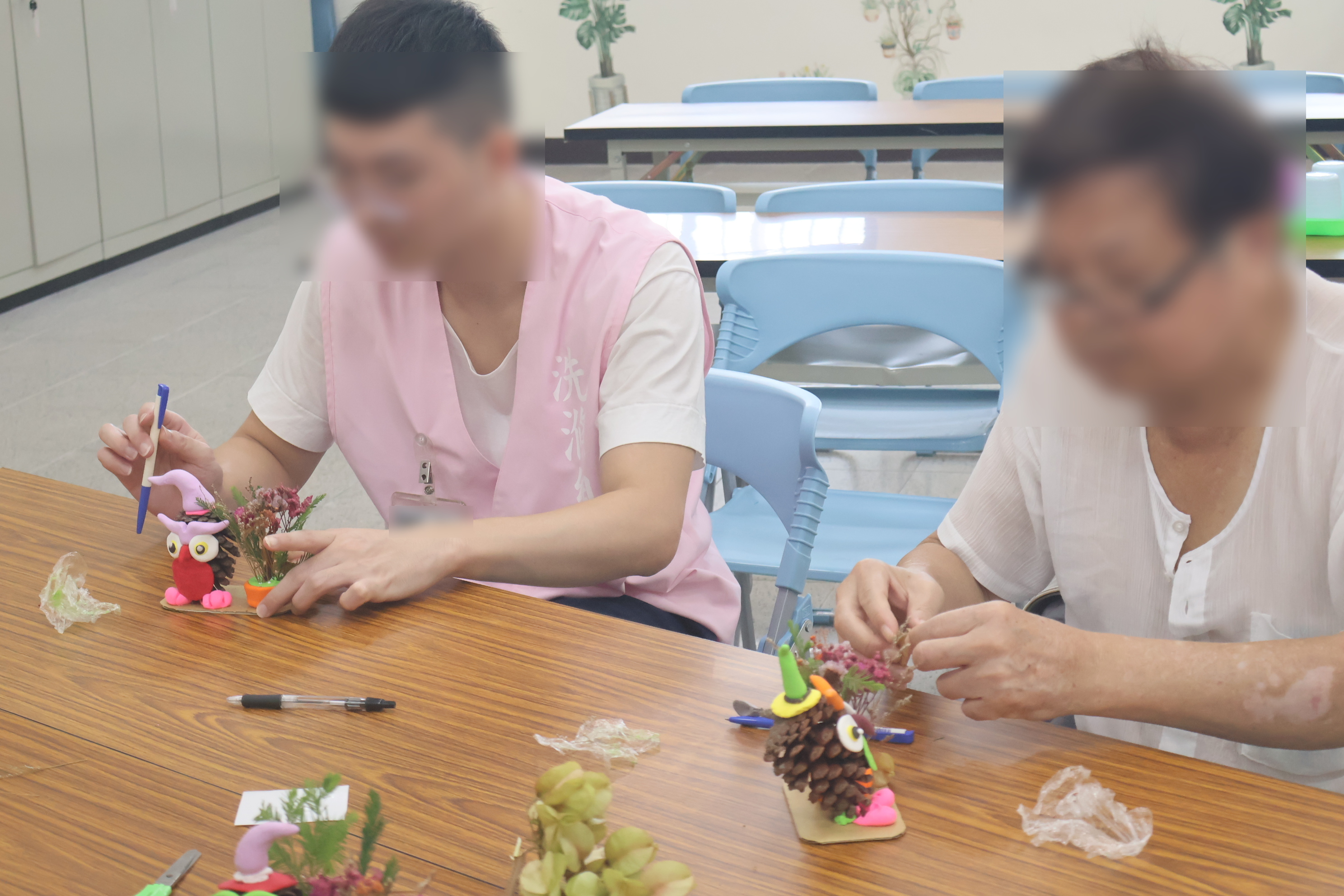
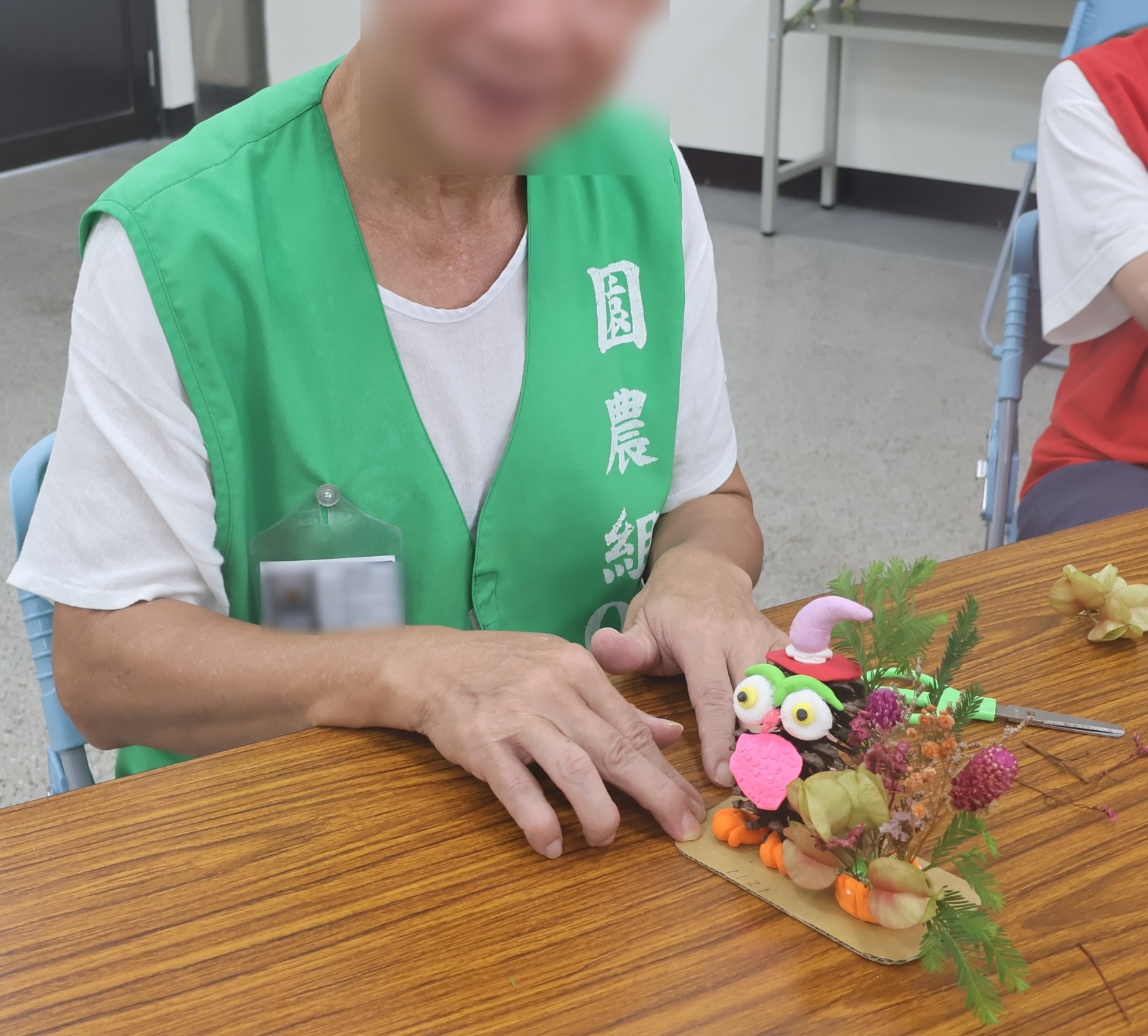
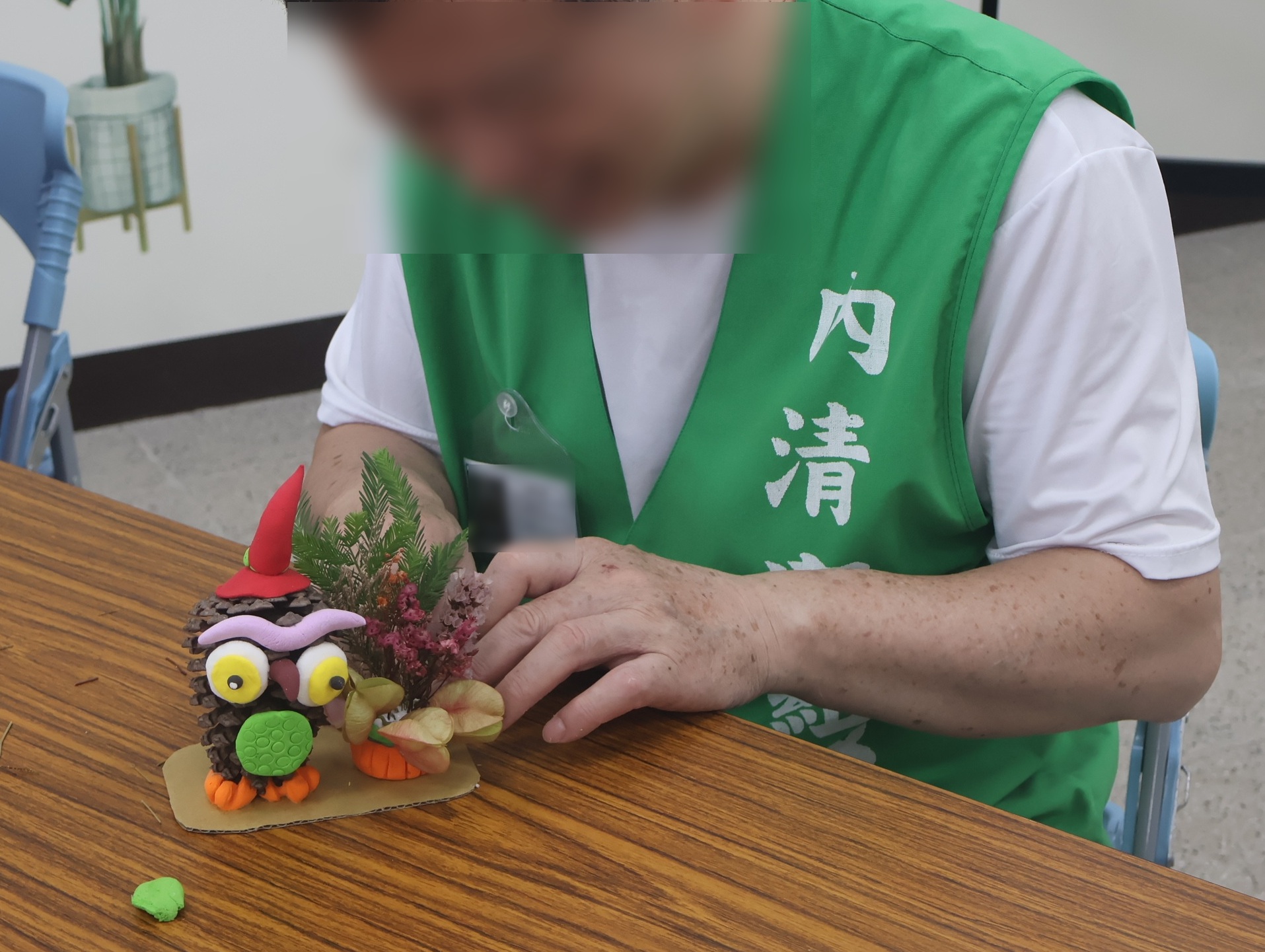
The eight-week program, held weekly for two hours, primarily involves elderly inmates. Activities include plant printing, dragon fruit seed planting, dried flower painting, pinecone art, and herbal tea experiences—all blending natural materials with creative crafts. Horticultural therapy emphasizes observing and caring for plants to cultivate focus and patience, helping inmates release stress and stabilize emotions. Amidst floral scents and creative experiences, participants gradually cultivate positive emotions and interpersonal skills.
One participant shared: “I never imagined an ordinary pinecone could become such an aesthetically pleasing piece. It helped me rediscover beauty in everyday life.” Another participant shared: “During the sessions, I learned to slow down and observe plant changes, which brought me greater peace of mind.” Horticultural therapists noted these activities are particularly effective for elderly inmates, reducing anxiety and isolation while enhancing self-efficacy and social interaction. Through plant care and creative processes, participants demonstrated stable, gentle, and patient psychological states.
Bade Minimum-Security Prison stated that the program is jointly developed by the prison's education team and instructors from the Taiwan Horticultural Therapy Association, reflecting a dual focus on rehabilitation and professional counseling. Moving forward, the prison will continue expanding diverse art therapy and complementary treatment courses to address the unique needs of elderly inmates. This initiative aims to provide them with opportunities for growth and a sense of belonging within confined spaces, while supporting their physical and mental recovery and self-reconstruction journey through the companionship of greenery.
Pictures
0001
0002
0003
0004