


Even in prison, healing is possible! Bade Minimum Security Prison introduces music therapy, bringing a major emotional transformation to inmates.



- Publication Date :
- Last updated:2026-03-31
- View count:40
Diversified treatment and management approaches for inmates with drug-related offenses and elderly inmates.
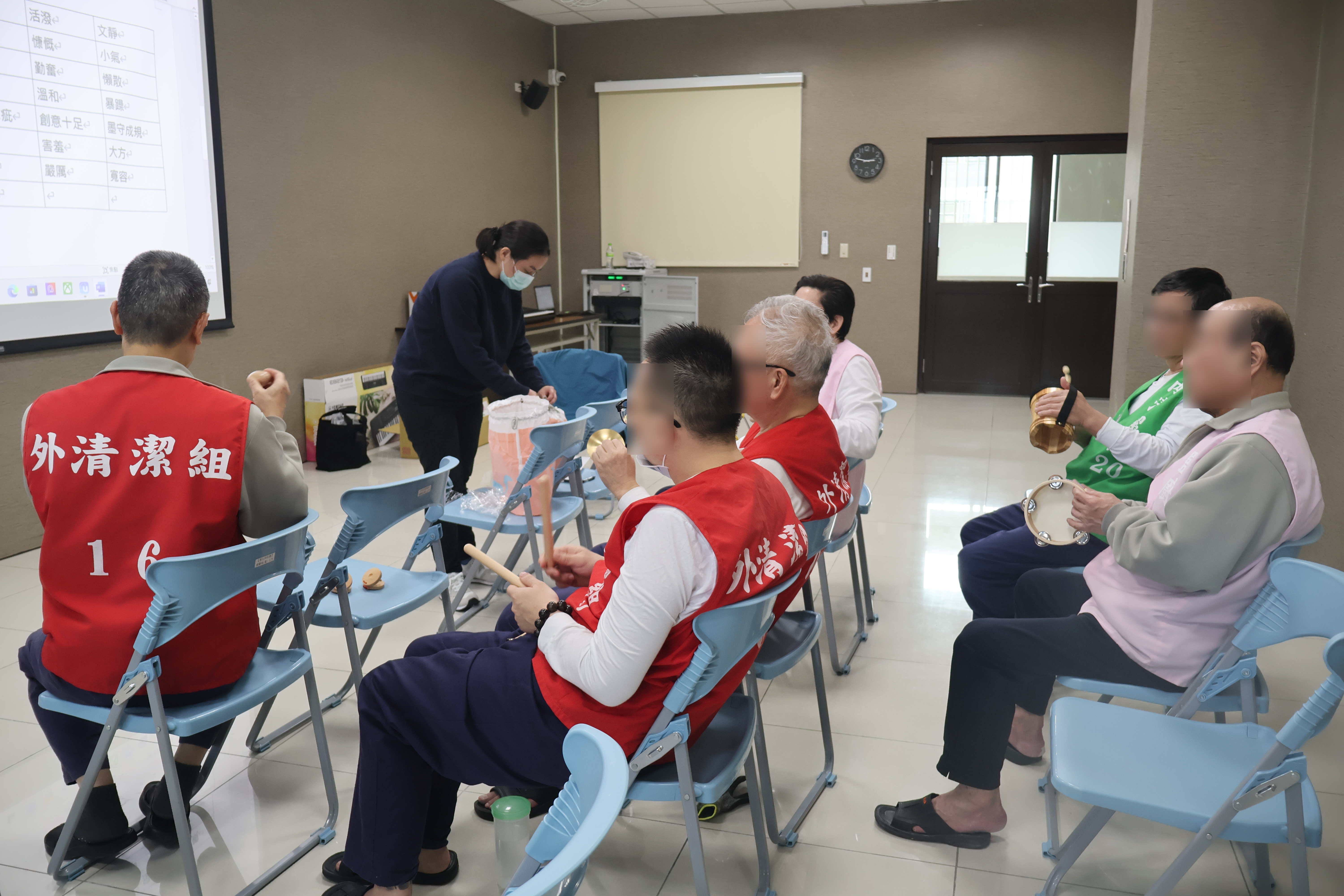
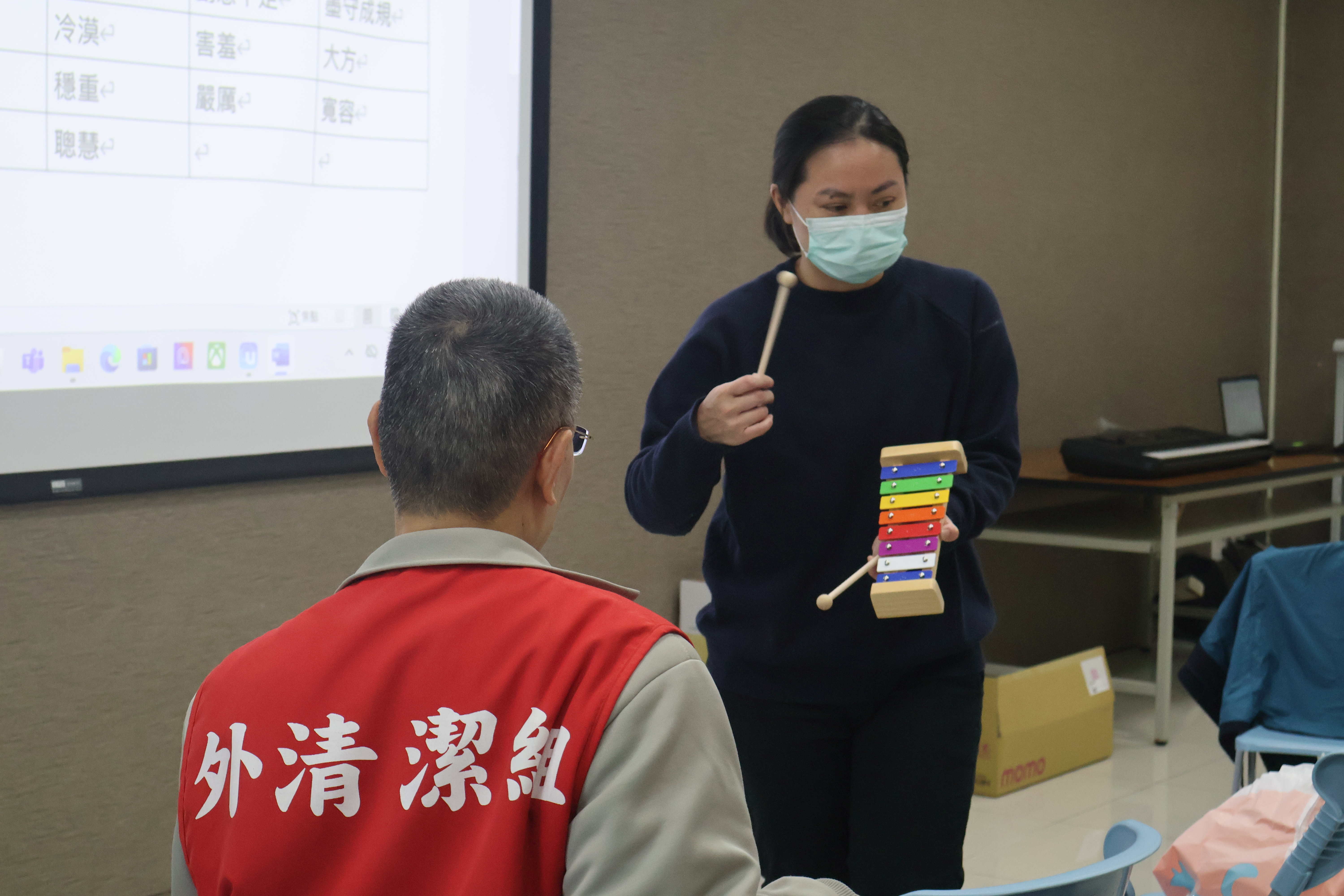
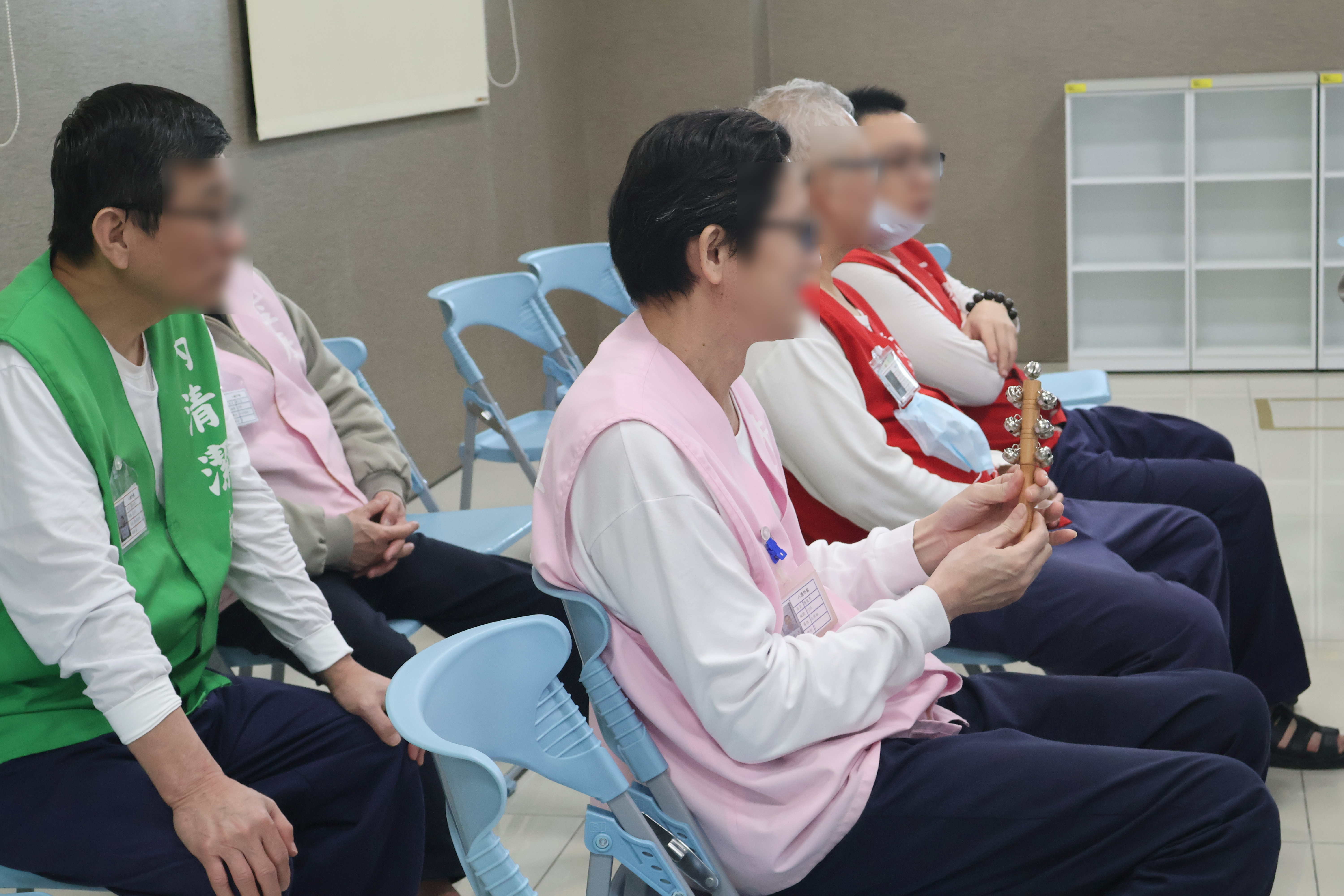
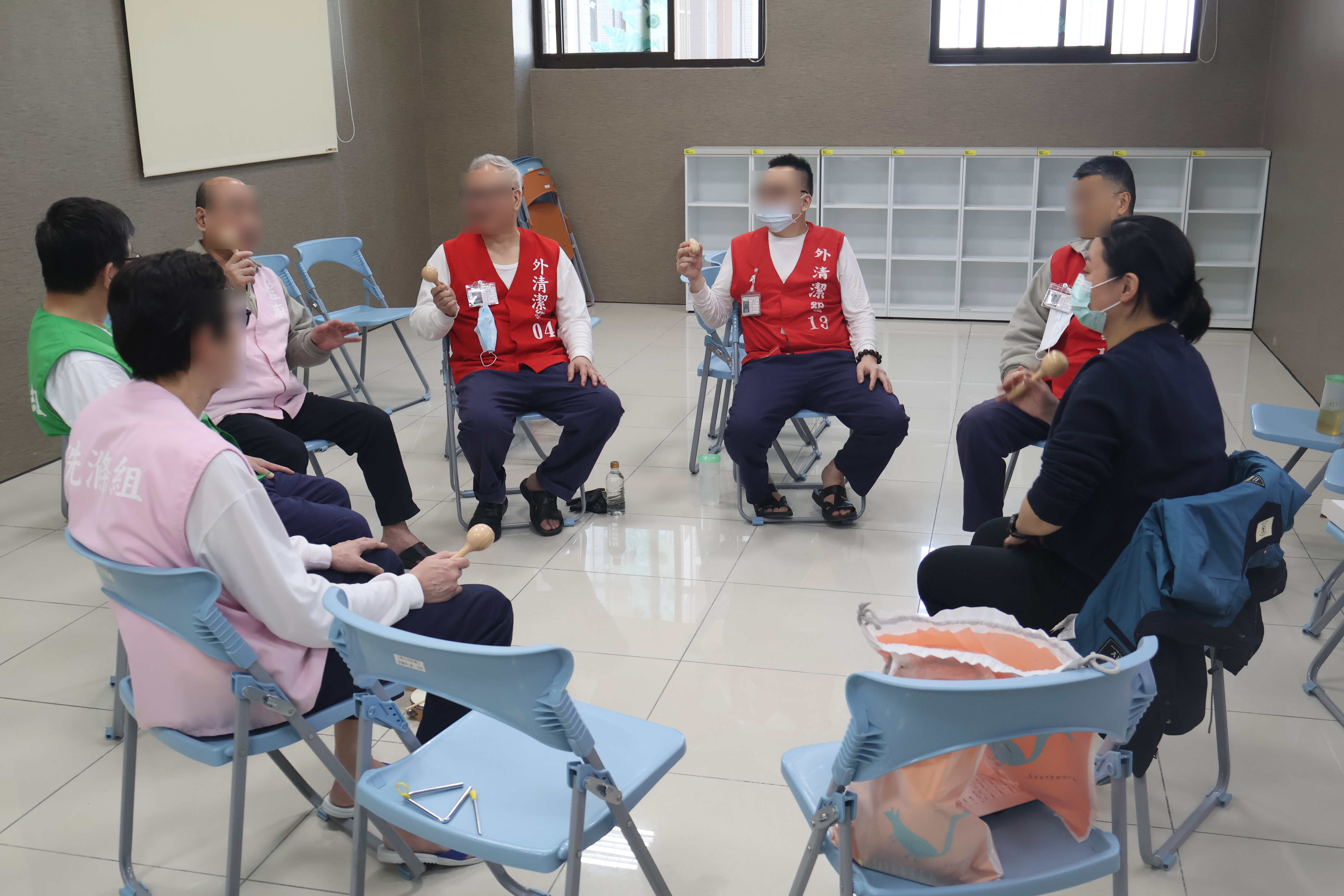
To strengthen emotional regulation and psychological resilience among inmates with drug-related offenses and elderly inmates, the Bade Minimum Security Prison under the Agency of Corrections, Ministry of Justice, has introduced group music therapy. The program is led by music therapist Huang Yung-en from Lee Psy Clinic, under the theme “A Journey of Self-Discovery and Healing.” Through music, inmates are guided to stabilize their emotions, explore their inner selves, and rebuild self-worth and interpersonal connections. The sessions are conducted in a group format, incorporating activities such as rhythmic movement, improvisation, and music creation. These approaches create a safe, low-pressure space for expression, allowing participants to gradually lower their defenses in a nonverbal setting and thereby enhance emotional awareness and self-expression.
Group observations revealed that most participants initially maintained a reserved and cautious attitude, but became more actively engaged after the activities, gradually creating a more lively atmosphere. Through musical interaction and the creative process, inmates were able to transform suppressed emotions into sound and expression, thereby enhancing their emotional awareness and regulation skills. Some inmates reported that they had previously tended to suppress their emotions or cope in inappropriate ways, but during the sessions, they were able for the first time to express their inner feelings in new ways and began to rethink their self-worth and future direction.
The prison noted that traditional correctional education often emphasizes rational instruction, which can lead to resistance among some inmates. In contrast, music therapy, through experiential participation, helps reduce psychological defenses and facilitates emotional expression and interpersonal interaction. Wen Min-nan, head of the Education Section, stated that musical activities promote concentration and relaxation. Some participants entered a state of immersion while playing, which helped them temporarily detach from stress and negative emotions, while also building a sense of achievement and self-efficacy through learning.
In recent years, correctional policies have emphasized diversified interventions and cross-disciplinary collaboration. The introduction of innovative programs such as music therapy not only helps improve inmates’ emotional well-being and behavior, but also enhances the effectiveness of rehabilitation and preparation for reintegration into society. Moving forward, external resources will continue to be integrated to develop correctional models that are more human-centered and evidence-based. On the policy level, a wider range of professional resources will be incorporated, while in practice, cross-disciplinary integration of psychology, education, and the arts will be promoted. Through structured programs and group interaction, inmates will be supported in cultivating positive experiences and emotional regulation skills, gradually strengthening their ability to readapt to society and move toward a stable, drug-free new life.
Pictures
活動照片1
活動照片2
活動照片3
活動照片4