


Suicide Prevention - Happiness Catcher Awareness Seminar in 2026



- Publication Date :
- Last updated:2026-05-04
- View count:18
Suicide Prevention - Happiness Catcher Awareness Seminar
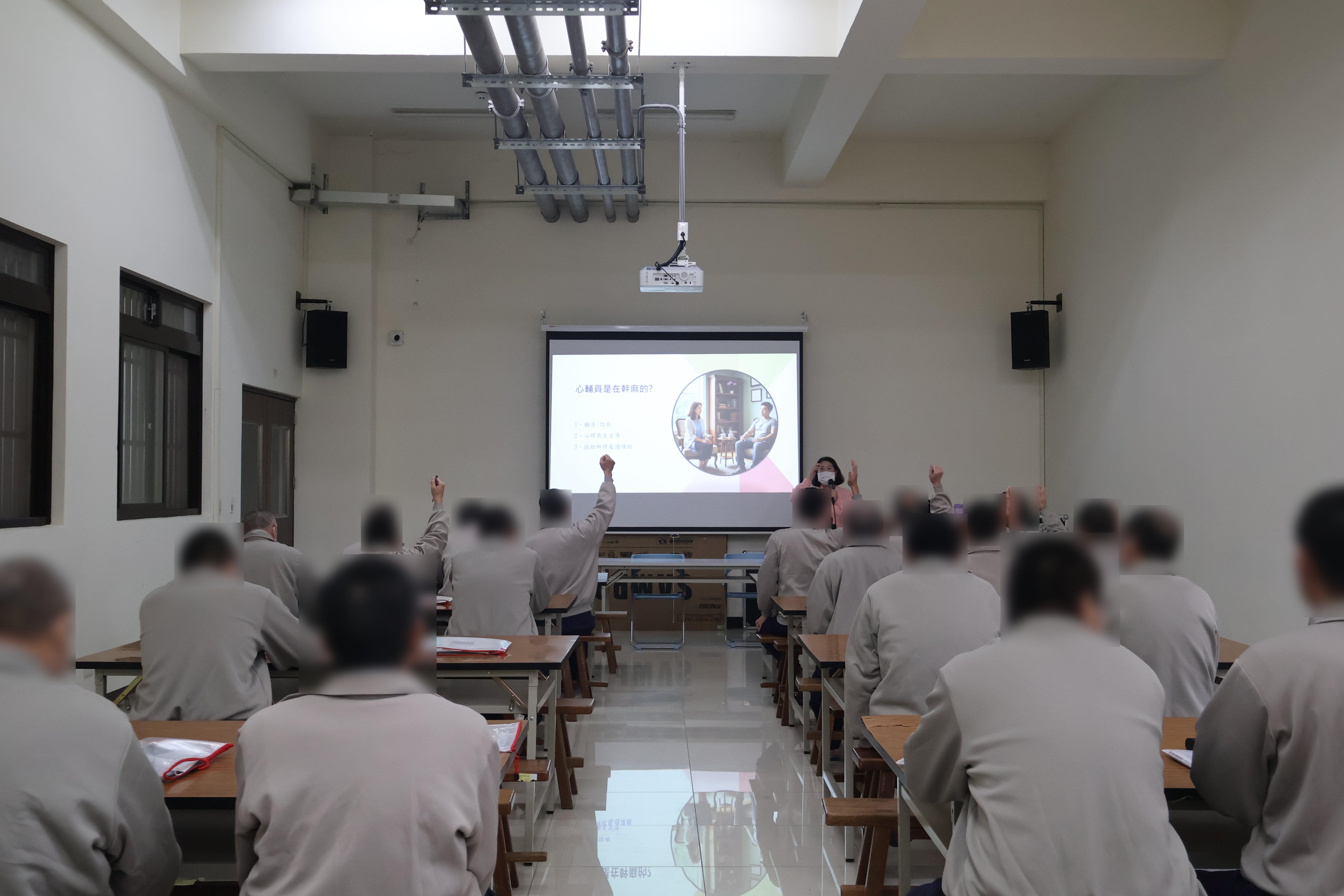
This outreach program targets inmates in prisons and detention centers, explaining the core concepts of "suicide prevention gatekeepers" and "happiness catchers." It aims to help inmates understand stress responses, recognize danger signals, and develop a sense of seeking help and mutual support. Common challenges in prison life include case stress, family worries, low mood, interpersonal conflicts, and anxiety about the future. A lack of support over a long period can easily lead to feelings of helplessness and despair; therefore, early detection, early care, and early assistance are crucial.
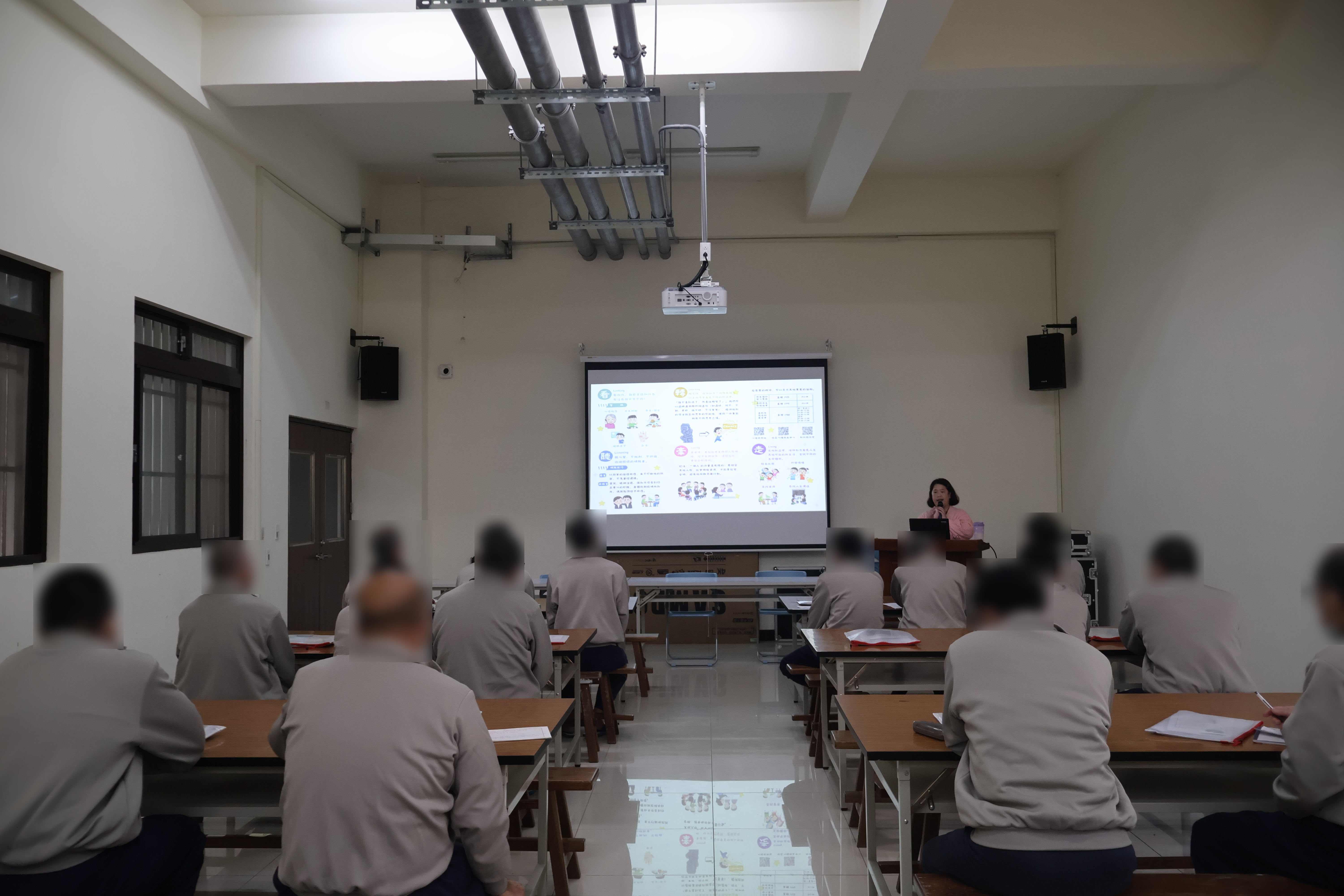
The key to being a suicide prevention gatekeeper lies in "seeing, listening, and turning": recognizing abnormal changes in emotions, speech, and behavior; listening to the other person's pain and stress; and, when necessary, assisting in reporting to supervisors, counselors, psychologists, or medical personnel to ensure timely intervention by professional resources. The gatekeeper's function is to provide an opportunity for those in distress to be understood and accepted.
The happiness catcher, on the other hand, helps individuals rediscover the support and hope that still exist in their lives, including the concern of family, the companionship of classmates, expectations for the future, unfulfilled responsibilities, and the small things in daily life that bring stability. Recognizing these strengths helps individuals maintain their reason to persevere under pressure.
Overall, this campaign emphasizes that everyone in prisons and detention centers can be a gatekeeper and a catcher of happiness for each other; when feeling down, one should actively seek help; when seeing others in distress, one should actively care for, accompany, and assist in referrals to reduce the risk of self-harm and suicide, and enhance feelings of support and hope.
Pictures
IMG_2591
IMG_2682