


From Rationalization to Self-Awareness: Bade Minimum-Security Prison Launches Cognitive Treatment Programs for Drunk Driving Inmates



- Publication Date :
- Last updated:2026-06-08
- View count:2
Bade Minimum-Security Prison Launches Cognitive Treatment Programs for Drunk Driving Inmates
"Getting caught was just bad luck," "I only drove because my home is nearby," "I need to drink medicinal liquor to have the energy for work..." These common statements are frequent confessions heard during individual intake interviews with first-time inmates incarcerated for offenses of driving under the influence (DUI/cannot safely drive). In criminology, this phenomenon is recognized as "Techniques of Neutralization." Through mechanisms such as the "denial of responsibility" or "rationalizing behaviors," individuals obfuscate their disregard for legal regulations and their distorted perceptions regarding alcohol consumption. To dismantle these deeply ingrained cognitive biases, the Prison has meticulously structured a "DUI Cognitive Treatment Program." Utilizing a multifaceted approach grounded in Cognitive Restructuring, the program invites experienced clinical psychologists, counseling psychologists, registered nurses, and legal professionals to deliver institutional lectures. By addressing the issue through diverse lenses—including medical science, family dynamics, life education, gender perspectives, and the rule of law—the program guides inmates toward reshaping positive and prosocial values..
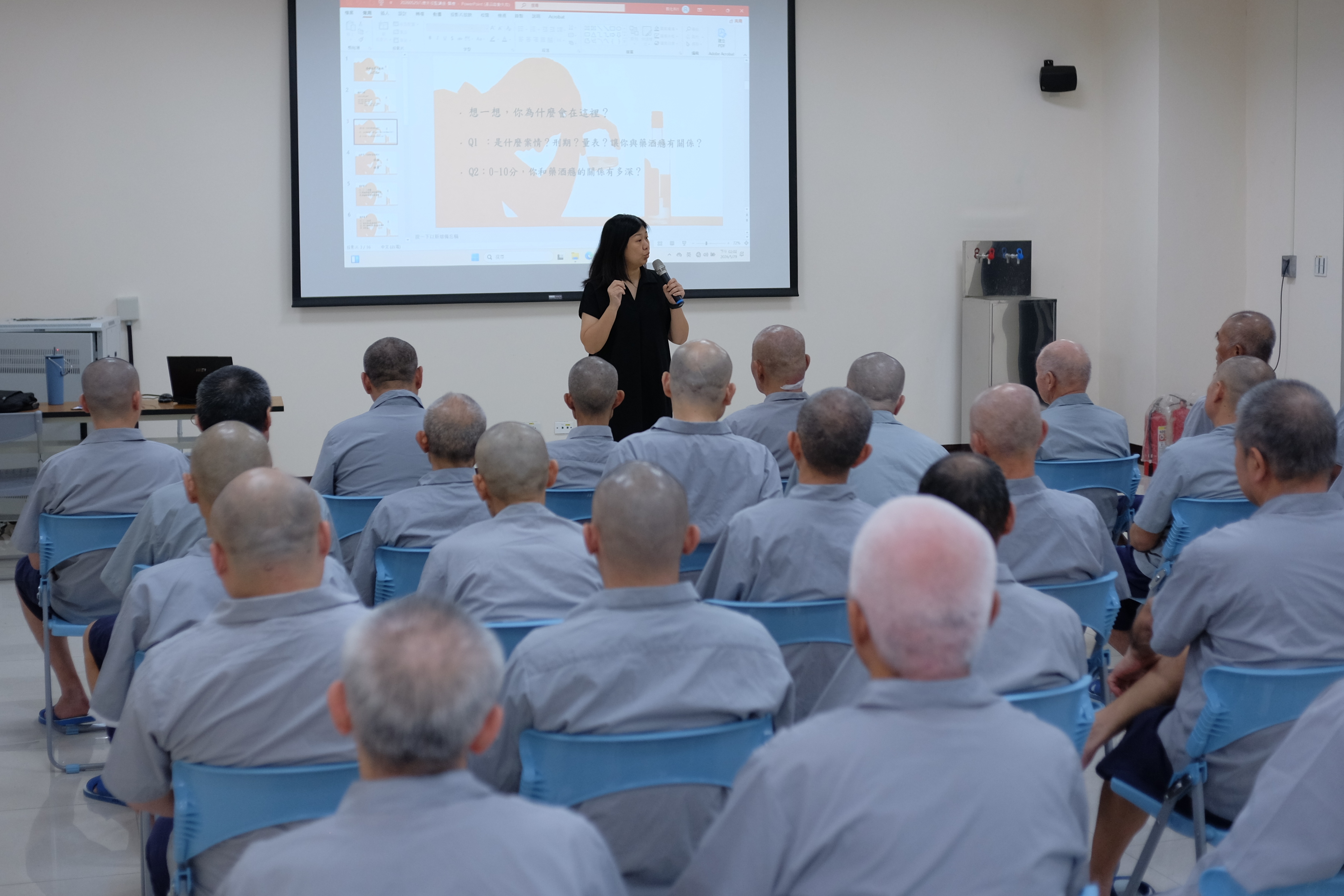
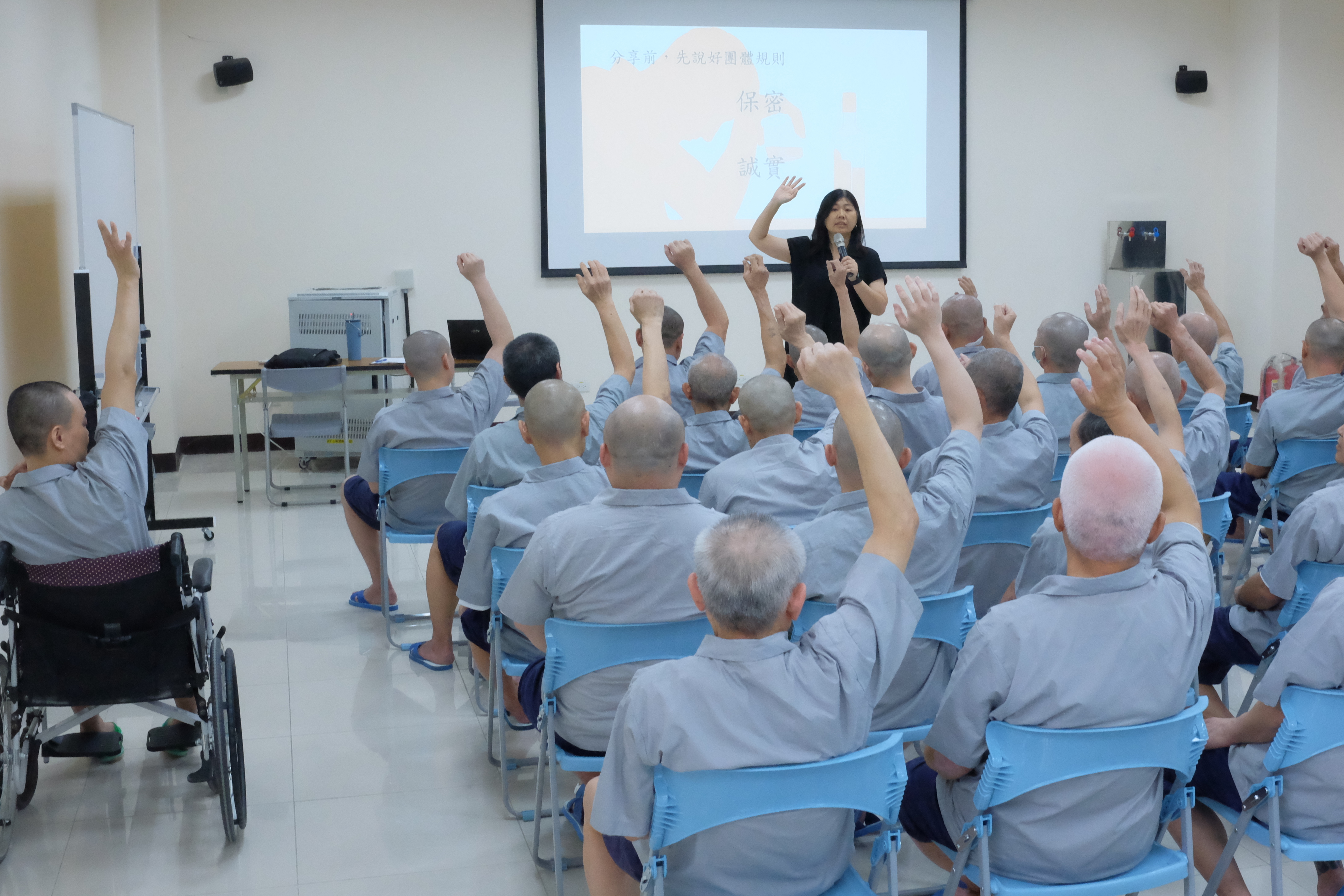
On May 29, 2026, the Prison conducted a specialized cognitive seminar focusing on the medical and physiological aspects of addiction, facilitated by a counseling psychologist through interactive Q&A sessions. Grounded in the Transtheoretical Model (TTM) of Behavior Change, a majority of the inmates initially occupied the "Precontemplation Stage," minimizing or outright denying the negative impacts of alcohol abuse on their lives. However, as the psychologist progressively elucidated the physiological mechanisms of alcohol on the human body, the psychological conditioning of addiction, and the cognitive distortions that occur post-consumption, participants gradually dismantled their resistance. Moving into the "Contemplation Stage," they began to rationally examine their own substance abuse issues. "Acknowledging addiction is the starting point of behavior change." Guided by medical and clinical evidence, inmates finally confronted the underlying reality of addiction masked beneath the excuse of "bad luck," thereby igniting their intrinsic motivation to reform.
Moving forward, the Prison will continuously implement this series of cognitive seminars and offer advanced group therapy interventions for inmates demonstrating a strong commitment to change. Under the guidance of professional psychologists, group members can openly share their personal struggles and rehabilitation journeys. This supportive environment effectively alleviates feelings of isolation and helplessness. Together, they learn to identify high-risk triggers, practice impulse control, and master effective coping strategies to manage alcohol cravings. This model of peer support not only enhances psychological well-being but also rebuilds positive, prosocial connections.
As inmates approach their release dates, the Prison proactively initiates a comprehensive prerelease preparation protocol by conducting a "Survey on Needs and Willingness for Alcohol Addiction Treatment." Through personalized interviews, customized relapse prevention plans are formulated. Furthermore, the Prison establishes direct referrals to Department of Health offices or medical treatment facilities in the inmates' residential districts, ensuring an uninterrupted through-care (continuous care) transition to outpatient treatment post-release. Simultaneously, timely notifications are dispatched to the Taiwan After-Care Association to secure subsequent follow-up counseling and employment assistance. Through this seamless network bridging "institutional correction" and "community-based support," the Prison integrates broader social resources. This initiative aims not only to assist inmates in overcoming alcohol dependency but also to reshape their outlook on life, ultimately cultivating a safer environment for the general public.
Pictures
課程紀錄
課程紀錄2